Why Choose Panax Ginseng Extract for Global Sourcing?
Global buyers are examining Panax Ginseng Extract more carefully than ever. They want consistent quality, transparent documentation, and dependable supply. The best sourcing decision begins with botanical identity, not attractive packaging. Panax ginseng should be clearly distinguished from American ginseng and other related species.
David Winston, an herbalist and educator, has described ginseng as “one of the most important adaptogenic herbs.” That observation helps explain its lasting commercial interest. However, traditional reputation cannot replace modern quality controls. Responsible suppliers should provide certificates of analysis, batch numbers, cultivation details, and contaminant testing. Ginsenoside content also deserves close attention. A darker extract is not automatically a stronger extract.
Reliable sourcing depends on more than price. Buyers should review extraction methods, solvent information, moisture levels, microbial results, and heavy-metal reports. Traceability matters when roots move from farms to processors, warehouses, and international customers. A well-prepared supplier can explain each stage without vague promises.
The process is not perfect. Supplier documents may look complete while leaving important questions unanswered. I would still request independent laboratory verification for high-volume purchases. Small details matter, such as sealed drums, clear labels, and stable storage conditions. These practical checks support safer formulation and more consistent production.
Panax Ginseng Extract can offer global manufacturers a valuable botanical ingredient. Its real advantage comes from verified identity, controlled processing, and honest communication. That standard requires patience. It also requires buyers to challenge convenient assumptions.
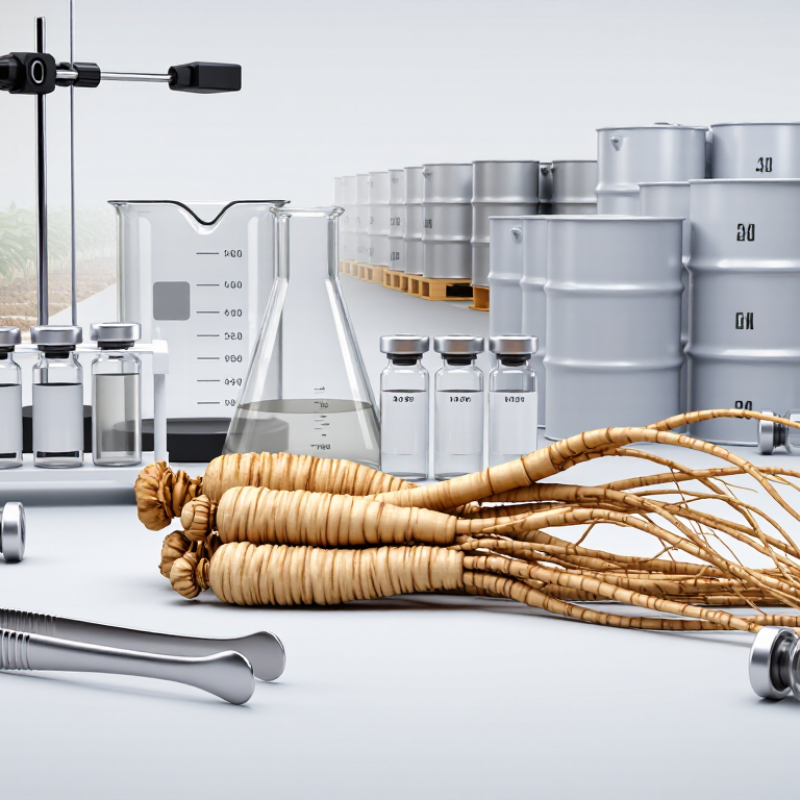
Panax ginseng extract is a concentrated preparation made from the root of Panax ginseng. It is commonly known as Asian or Korean ginseng. The root is cleaned, dried, and processed with water or hydroalcoholic solvents. This process draws out compounds called ginsenosides. These compounds help describe the extract’s chemical profile, but they do not tell the whole quality story. It starts with the root.
For global sourcing, buyers should examine botanical identity, root age, processing conditions, and extraction ratios. A reliable supplier should provide batch records, a certificate of analysis, and testing for heavy metals, microbes, pesticides, and unwanted solvents. Details matter. Ginsenoside levels can differ between cultivated roots, growing regions, and harvest seasons. A higher number is not automatically better. The intended product format should guide the specification.
In practice, I would compare samples by color, aroma, solubility, and laboratory results rather than relying on appearance alone. A fine brown powder may still vary in strength or freshness. That distinction matters. Suppliers should also explain storage conditions, packaging, traceability, and compliance with the destination market. Panax ginseng extract is not a universal ingredient for every application. Its suitability depends on dosage form, formulation goals, and documented safety evaluation. Some sourcing decisions remain uncertain until independent testing confirms the declared profile.
Panax ginseng extract is valued mainly for its ginsenosides, a diverse group of triterpene saponins. Rg1, Rb1, and Rg3 are frequently measured during quality assessment. Their levels can vary with plant age, growing conditions, harvest timing, and extraction methods. This variability matters.
Research suggests that ginsenosides may support normal energy metabolism, mental performance, and stress adaptation. However, results differ between studies and extract preparations. A benefit observed in one trial may not apply to every commercial powder. Stronger claims require stronger evidence.
Other constituents deserve attention. Polysaccharides may influence immune activity in laboratory research, while peptides and phenolic compounds contribute to the extract’s broader chemical profile. These effects remain complex and should not be presented as guaranteed medical outcomes. Human evidence is still uneven.
For global sourcing, buyers should request a certificate of analysis, botanical identification, active-compound specifications, and contaminant testing. Testing for heavy metals, pesticides, microbes, and residual solvents supports reliable evaluation. Country of origin alone proves little. Processing records offer better insight.
Standardized extracts can improve batch consistency, but standardization may focus on only selected ginsenosides. That can hide meaningful differences in the remaining compounds. I would therefore compare the full specification, not just one impressive number. Even careful sourcing has limits. Expect variation, document it, and avoid promises that the evidence cannot support.
Why Choose Panax Ginseng Extract for Global Sourcing?
Panax ginseng extract begins with disciplined raw-material control. Roots are commonly harvested after four to six growing seasons, when ginsenoside levels have developed more fully. The supplier should document cultivation areas, harvest dates, and drying conditions. Moisture, mold, pesticides, heavy metals, and identity require separate checks. One test cannot prove everything.
Production usually starts with washing, slicing, and low-temperature drying. Excessive heat can damage sensitive compounds and darken the root. Manufacturers then extract the material with water, ethanol, or both, depending on the intended specification. Filtration removes insoluble particles. Concentration reduces the liquid volume before spray-drying or vacuum-drying creates a stable powder. The process sounds simple. It is not.
A reliable supplier reports the extraction ratio, solvent system, marker compounds, and batch yield. HPLC testing should identify major ginsenosides, including Rg1, Rb1, and Re. The World Health Organization’s quality-control guidance for herbal materials supports identity, purity, and contaminant testing across production. Grand View Research’s 2024 assessment estimated the global ginseng market at approximately USD 1 billion in 2023, increasing pressure on supply consistency. Buyers should compare certificates with retained samples, not accept paperwork blindly. Extraction yields can vary between seasons. Even experienced processors sometimes need to revise drying temperatures or blending plans.
| Production or Sourcing Dimension | Typical Practice or Data | Quality Significance | Global Sourcing Relevance |
|---|---|---|---|
| Botanical identity | Panax ginseng C.A. Meyer, commonly known as Asian, Korean, or Chinese ginseng. | Correct species identification helps prevent substitution with other Panax species or unrelated botanicals. | Botanical name, plant part, country of origin, and voucher or identity records can be stated clearly in purchasing specifications. |
| Root cultivation period | Commercial Panax ginseng roots are commonly harvested after approximately 4–6 years of cultivation. | Cultivation age can affect root size and the profile of naturally occurring ginsenosides. | Harvest-age documentation supports traceability and helps buyers compare raw-material lots consistently. |
| Raw-material preparation | Roots are sorted, cleaned, washed, and cut or milled before extraction. White ginseng is generally air-dried or sun-dried, while red ginseng is steamed and dried. | Cleaning reduces soil and foreign matter; processing type can change the resulting ginsenoside profile. | A defined preparation method makes product specifications easier to harmonize across regions. |
| Extraction method | Food and nutraceutical extracts are commonly produced using hot water, aqueous ethanol, or ethanol followed by concentration. | Solvent selection, temperature, time, and solid-to-liquid ratio influence extraction yield and composition. | The extraction solvent and residual-solvent requirements should be defined according to the destination market. |
| Concentration and drying | The liquid extract is concentrated and may be converted into powder through spray drying or vacuum drying, often with a permitted carrier where required for processing. | Moisture control, powder flow, dispersibility, and protection from excessive heat are important for stability. | Powder format improves handling, transport efficiency, and use in capsules, tablets, beverages, and formulated foods. |
| Marker compounds | Ginsenosides such as Rb1, Rg1, and Rg3 are commonly used as identity or standardization markers, depending on the extract type. | Marker testing helps assess batch-to-batch consistency, but a single marker does not fully describe the complete extract profile. | Buyers can specify total ginsenosides, individual ginsenosides, or a chromatographic fingerprint based on application needs. |
| Routine quality testing | Typical controls include botanical identity, appearance, moisture, microbial limits, heavy metals, pesticide residues, and solvent residues when applicable. | Testing verifies safety, cleanliness, authenticity, and compliance with the agreed product specification. | A documented certificate of analysis and recognized analytical methods support import clearance and customer audits. |
| Traceability documentation | Useful records include cultivation or harvest information, raw-material lot numbers, processing dates, extraction conditions, packaging details, and test results. | Traceability supports investigation, recall readiness, and verification of supply-chain consistency. | Clear records simplify communication among growers, processors, importers, and finished-product manufacturers. |
| Specification flexibility | Extracts may be supplied as liquid, dry powder, or granules, with specifications adapted to food, beverage, supplement, or cosmetic applications. | The final format affects solubility, dosage calculation, packaging, storage, and formulation performance. | A clearly defined technical specification helps align regulatory, logistical, and formulation requirements across different markets. |
Note: Cultivation age, extraction conditions, marker levels, carrier content, and testing limits vary by raw material, process design, intended use, and destination-market regulations.
Reliable Panax ginseng extract begins with correct botanical identification. Suppliers should verify the plant species, root part, and country of cultivation. Macroscopic checks, microscopy, and validated DNA methods can reduce substitution risks. Ginsenoside testing also helps confirm potency and batch consistency. However, one marker cannot describe the entire extract. That point is often overlooked.
Global buyers should request a complete certificate of analysis for every production lot. The document should include ginsenoside levels, microbial results, heavy metal screening, pesticide testing, and solvent residue data. Testing should follow recognized methods through qualified laboratories. Good manufacturing practices should cover harvesting, extraction, drying, packaging, and storage. Clear lot numbers make recalls and investigations more manageable.
Tips: Ask for production records, not only a polished certificate. Confirm storage conditions, shelf-life evidence, and transport controls before purchasing. Check whether specifications match the destination market’s requirements. Requirements differ. A specification accepted in one country may need revision elsewhere. From practical sourcing reviews, traceability is valuable, but it is not always complete. Buyers should audit gaps, document decisions, and avoid relying on verbal assurances. This cautious approach supports safer, more consistent global procurement.
Selecting a Panax ginseng extract supplier requires more than comparing prices. Experienced buyers examine botanical identity, extraction methods, and batch consistency. A reliable supplier should provide a current certificate of analysis for every lot. Test results should cover ginsenoside content, heavy metals, pesticides, microbes, and residual solvents. Clear traceability matters too. Can the supplier identify the farm, harvest period, and processing site? These details support quality decisions when shipments cross several borders.
Import compliance begins before purchase. Requirements differ by destination, product category, and intended use. Suppliers should prepare accurate specifications, invoices, packing lists, certificates of origin, and laboratory reports. Customs descriptions must match the actual extract. Health claims also need careful review. A sentence accepted in one market may create problems in another. I have seen sourcing teams focus heavily on testing, yet overlook label language or document consistency. That gap can delay release.
Tips: Request a sample, then compare it with the production batch. Verify the laboratory’s competence and test dates. Ask for allergen, solvent, and irradiation statements when relevant. Confirm packaging protects the powder from moisture during ocean transport. Keep written records of approvals and changes. Do not rely on verbal promises. A small trial order can reveal weak communication, unclear documents, or unstable specifications before larger commitments.
It is a concentrated preparation made from cleaned and dried ginseng roots. Water or hydroalcoholic solvents remove compounds called ginsenosides.
Check botanical identity, root age, cultivation country, harvest season, and extraction ratio. The root starts the quality story.
Not automatically. Ginsenoside levels vary by region, cultivation, harvest timing, and processing conditions. Intended use should guide the specification.
It should list ginsenoside results, microbes, heavy metals, pesticides, and residual solvents. Test dates and lot numbers also matter.
Suppliers can use visual checks, microscopy, and validated DNA methods. These checks reduce substitution risks, but none should stand alone.
Ask for farm details, harvest periods, production records, processing sites, and storage conditions. A polished certificate is not enough.
Requirements differ by destination, product category, and intended use. Specifications, invoices, origin documents, and laboratory reports must remain consistent.
Compare color, aroma, solubility, and independent laboratory results. A fine brown powder may still differ in strength or freshness.
Packaging should protect the powder from moisture during ocean transport. Confirm shelf-life evidence, storage temperatures, and transport controls.
Yes, it can expose weak communication, unclear documents, or unstable specifications. It is not perfect, but it reduces larger sourcing risks.
Panax Ginseng Extract is a botanical ingredient derived from the roots of Panax ginseng and is widely considered for use in dietary supplements, functional foods, beverages, and personal care products. Its main active compounds, known as ginsenosides, may support energy, vitality, cognitive function, and the body’s ability to adapt to everyday stress, although benefits can vary according to the extract’s composition, dosage, and intended application. Understanding the extraction method, concentration, and standardization is therefore essential when evaluating product consistency.
For global sourcing, reliable production should include controlled cultivation or traceable raw materials, careful extraction, hygienic processing, and testing for identity, purity, active-compound content, contaminants, and microbiological safety. Supplier selection should also consider documentation, quality-management systems, production capacity, packaging, shelf life, communication, and delivery performance. Import compliance requires accurate labeling, appropriate certificates, customs documentation, and conformity with the destination market’s regulations. A transparent and technically capable supplier can help buyers reduce quality risks and build a more dependable international supply chain.

Andy Biotech