7 Best Mulberry Leaf Extract Suppliers for Global Buyers

Time:2026-09-26 Author:Mason
0%

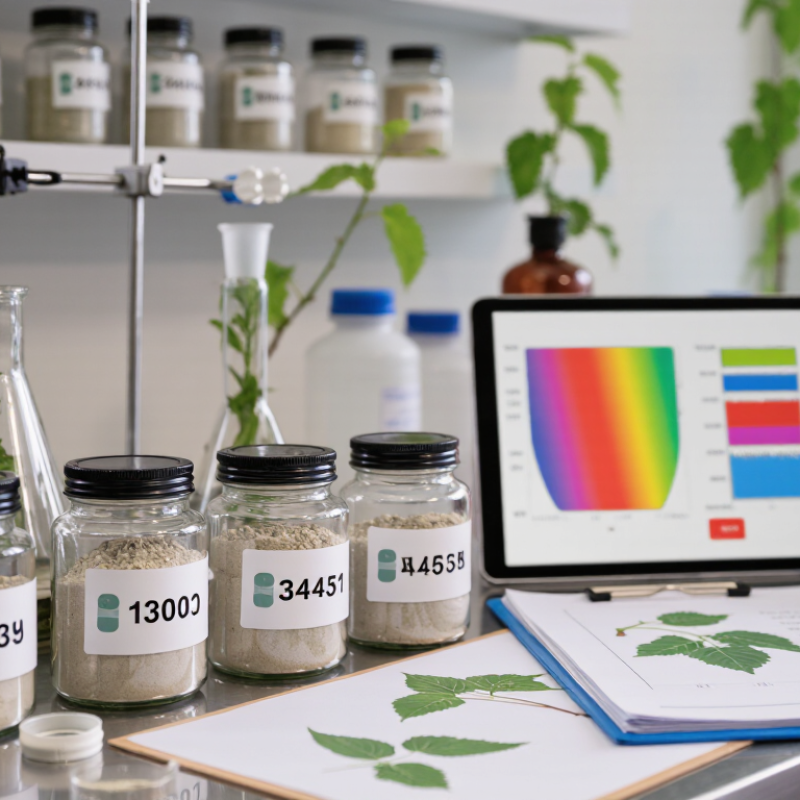
Choosing a Mulberry Leaf Extract supplier is not just a price comparison. Buyers need to know what is in the drum, how it was tested, and whether the next batch will match the last. A polished brochure helps, but it cannot replace a batch-specific certificate of analysis. Look for clear identification of the plant material, extraction details, active-marker results, and testing for relevant contaminants. Ask how samples are retained and how changes in raw-material origin are communicated. Small details matter. A pale powder in a sealed sample jar should have a traceable batch number, not just a sales label.

Medicinal-plant researcher Professor Michael Heinrich is known for emphasizing evidence-based assessment of botanical products. A practical summary of that principle is: “Trust the data, not the label alone.” This is an editorial paraphrase, not a verbatim quotation. The suppliers in this guide are considered through that lens, alongside documentation, manufacturing transparency, responsiveness, and export experience. Those factors can help global buyers compare options before requesting samples or placing an order. Still, no supplier is perfect, and published specifications do not guarantee every shipment will perform identically. That deserves a second look. Buyers should confirm current documents directly and assess whether the supplier’s testing and communication meet their own product requirements. This guide offers a starting point, not a substitute for supplier qualification.
7 Best Mulberry Leaf Extract Suppliers for Global Buyers

What Is Mulberry Leaf Extract and Why Is It in Global Demand?

Mulberry leaf extract comes from the dried leaves of Morus alba and related mulberry species. Manufacturers usually process the leaves through water or ethanol extraction. The resulting powder may contain naturally occurring compounds such as 1-deoxynojirimycin, polyphenols, and flavonoids. Its composition depends on the cultivar, harvest season, drying temperature, and extraction ratio. Small differences matter.

Global demand is growing across functional foods, dietary supplements, beverages, and cosmetic formulas. Buyers value the extract because it fits plant-based product trends and offers a recognizable botanical story. However, demand does not guarantee consistent quality. Experienced importers request botanical identification, active-compound testing, microbiological results, heavy-metal screening, and pesticide documentation. They also check moisture, particle size, packaging, and shelf-life data. A certificate alone is not enough. Batch traceability should connect the finished powder to its raw leaves and processing records. Some suppliers describe concentration vaguely, which can create costly formulation problems.

Tips: Ask for a recent certificate of analysis and an independent test when possible. Confirm whether the extract ratio refers to raw material or final powder. Review storage conditions, especially for humid shipping routes. Choose suppliers that explain their testing methods clearly. Samples should be tested in your own formula, not judged only by color. A darker powder is not automatically stronger. One detail is often missed: confirm permitted use levels in your target market before purchase. Rules and labeling requirements vary, and assumptions can fail.

7 Best Mulberry Leaf Extract Suppliers for Global Buyers — What Is Mulberry Leaf Extract and Why Is It in Global Demand?

Mulberry leaf extract is produced by extracting bioactive compounds from Morus alba and related mulberry leaves. The chart shows commonly reported concentration ranges for key constituents in dried mulberry leaves. Actual levels vary by cultivar, growing conditions, harvest stage, and extraction method.

The presence of DNJ, chlorogenic acid, rutin, flavonoids, and other phenolic compounds supports interest from global buyers in functional foods, botanical supplements, beverages, and standardized plant extracts. The displayed values are reported ranges rather than product specifications.

Key Factors for Evaluating Mulberry Leaf Extract Suppliers

Choosing among mulberry leaf extract suppliers requires more than comparing prices. A polished website is not proof. Request the botanical name, plant part, extraction method, and country of origin. Reliable suppliers should provide recent certificates of analysis for every batch, not a generic file.

Check identity testing, active-compound levels, moisture, microbial limits, pesticides, heavy metals, and residual solvents. Ask how results were produced and whether an independent laboratory confirmed them. Clear batch numbers should connect the product, test report, and shipping records. Small details matter.

Traceability builds confidence. Suppliers should explain harvesting dates, storage conditions, packaging materials, and shelf-life studies. Their facility should follow recognized quality systems and maintain documented cleaning procedures. Samples can reveal color, odor, powder flow, and consistency, but samples are not enough. Test production batches too.

Communication also shows expertise. A capable supplier answers technical questions without vague promises. They should discuss specification changes, rejected batches, and regulatory documents for your destination market. Responsiveness matters during delays. So does honesty.

One practical weakness deserves attention: many evaluations rely too heavily on paperwork. Documents can be outdated, incomplete, or poorly matched to the actual batch. Consider a remote audit, video inspection, or third-party verification when volumes increase. A supplier that welcomes reasonable scrutiny is usually easier to trust, though no evaluation is perfect.

Top Seven Mulberry Leaf Extract Suppliers for International Buyers

International buyers comparing the top seven mulberry leaf extract suppliers should look beyond polished catalogs.

Request a current specification sheet and certificate of analysis for the exact extract grade. Check botanical identity, extraction method, carrier ingredients, and declared active-compound range. Details matter. A clear answer is more useful than a broad promise of “premium quality.”

Ask how each batch is tested and whether results can be linked to a lot number. Relevant checks may include identity, moisture, microbial quality, and contaminants. Confirm that the supplier can explain its methods and provide supporting records.

For shipments, clarify packaging, shelf-life data, lead times, and export documents before placing an order. A sample can help assess color, odor, and handling, but it cannot prove long-term consistency.

Compare suppliers using the same questions and document their responses. Request traceability from incoming leaf material through finished extract, along with written procedures for handling complaints or out-of-specification batches.

Communication matters, too. Slow replies during qualification may signal practical friction later, though one delayed email is not decisive. No checklist removes every risk; specifications can also differ between suppliers. Buyers should review claims carefully and avoid treating a supplier’s marketing language as independent evidence.

Quality Standards, Certifications, and Product Testing Requirements

For mulberry leaf extract, ask suppliers to document Morus alba identity, plant part, extraction solvent, and batch traceability. A certificate of analysis should report a measurable marker, such as 1-deoxynojirimycin (DNJ), rather than only “total extract.” Request the test method, acceptance range, and actual batch result. A certificate alone is not proof of quality.

The need for verification is real. A 2013 BMC Medicine DNA-barcoding study examined 44 herbal products from 12 companies: 59% contained plant species not listed on their labels, while 32% showed contamination. The sample was limited and was not specific to mulberry, so it should not be treated as a supplier failure rate. It does show why identity checks matter. WHO’s Quality Control Methods for Herbal Materials also outlines checks for identity, purity, and contaminants.

Ask for recent reports covering pesticide residues, heavy metals, microbial counts, and residual solvents, with testing performed by an ISO/IEC 17025-accredited laboratory. Confirm that the scope includes the methods used. GMP or food-safety certifications can support supplier qualification, but they do not replace product-specific testing. A neat certificate can still leave gaps. I would compare results across several batches and question unexplained changes in DNJ levels, color, or moisture. Some paperwork is tidy; the evidence may be less so.

7 Best Mulberry Leaf Extract Suppliers for Global Buyers - Quality Standards, Certifications, and Product Testing Requirements

Supplier profiles below are sourcing categories, not named or independently audited companies. Certification and testing requirements vary by product, destination market, and intended use; verify current documents and applicable regulations before purchase.

Supplier profile Typical product focus Best suited to Quality documents to request Relevant certifications or systems to verify Key product testing
1. DNJ-standardized extract specialist Leaf extract with a declared 1-deoxynojirimycin (DNJ) specification. Buyers needing a defined marker compound and repeatable batch specifications. Batch-specific certificate of analysis (COA), specification, botanical identity, and traceability records. Verify applicable food-safety certification, such as FSSC 22000, ISO 22000, or BRCGS; certification scope and site must match the product and facility. DNJ assay by a validated HPLC or UPLC method; identity, moisture, microbial limits, heavy metals, and pesticide residues.
2. Large-volume conventional extract producer Standardized or non-standardized bulk powder for ongoing production. Importers and manufacturers prioritizing continuity, capacity, and documented batch controls. COA, process flow, lot-traceability information, allergen statement, and change-control policy. Verify a recognized food-safety management system and any destination-market requirements; request a current certificate and audit scope. Botanical identity, assay if specified, moisture, microbiology, heavy metals by ICP-MS or equivalent, and risk-based pesticide screening.
3. Organic-certified ingredient supplier Mulberry leaf material or extract represented as organic under a defined market scheme. Brands and buyers with organic labeling or certified-supply-chain requirements. Valid organic certificate, product listing or scope, transaction documentation where applicable, and full chain-of-custody records. Confirm certification is valid for the product, processing site, and intended destination (for example, applicable USDA or EU organic rules). Identity and routine contaminant testing; use risk-based pesticide-residue testing. Organic certification does not replace safety testing.
4. Water-extraction process specialist Extract produced using water as the extraction solvent, with process details defined by the manufacturer. Buyers seeking a clearly documented extraction process or restrictions on solvent use. Extraction-process statement, carrier or processing-aid declaration, COA, and residual-solvent statement where relevant. Verify GMP and food-safety systems appropriate to the intended application; check whether the site scope covers extraction and packing. Identity, moisture, relevant marker assay, microbial limits, heavy metals, and confirmation of solvent-related specifications when required.
5. Full-spectrum leaf extract supplier Extract sold with broader compositional specifications rather than a single marker alone. Formulators seeking a defined botanical fingerprint or multiple compositional parameters. Multi-parameter specification, representative chromatographic fingerprint, COA, and raw-material origin records. Verify facility food-safety controls and laboratory competence; request evidence that analytical methods are validated for the product matrix. Identity by suitable chromatographic or botanical method, agreed marker panel, microbiology, heavy metals, and pesticide residues.
6. Private-label and finished-product supplier Extract supplied as an ingredient or incorporated into finished products with packaging support. Buyers needing formulation, packaging, or market-specific documentation support. Ingredient COA, finished-product specifications, label review support, allergen controls, and product-release records. Verify the relevant manufacturing-site certifications and whether they cover the actual product category and packaging operation. Ingredient identity and potency where claimed; finished-product testing for microbiology, contaminants, and label-claim consistency as applicable.
7. Dual-source or supply-chain-integrated supplier Sourcing with documented origin, more than one qualified supply route, or integrated raw-leaf and extraction controls. Global buyers managing supply continuity, origin traceability, and procurement risk. Origin and chain-of-custody records, site list, supplier-qualification procedures, and change-notification commitments. Verify certificates separately for each relevant site and confirm that subcontractors are covered by documented controls. Incoming-leaf identity and contaminant controls, finished-batch COA, microbial testing, heavy metals, and risk-based pesticide testing.

Buyer check: Request a recent, lot-specific COA and confirm methods, units, acceptance limits, and sample identity. Where independent verification is needed, use a laboratory accredited to ISO/IEC 17025 for the relevant test methods. Applicable contaminant limits and labeling rules depend on the destination market and product classification.

How to Select the Right Supplier for Your Market and Application

Selecting a mulberry leaf extract supplier requires more than comparing price per kilogram. The WHO Global Report on Traditional and Complementary Medicine 2019 found that 170 of 194 member states reported using traditional medicine. Regulatory expectations still differ sharply. Your supplier must understand the destination market.

Ask for botanical identity testing, batch-specific certificates of analysis, pesticide screening, heavy-metal results, microbial limits, and residual-solvent data. HPLC or HPTLC testing can confirm marker compounds such as 1-deoxynojirimycin. However, a high marker percentage does not automatically mean better performance. Extraction solvent, leaf origin, harvest season, and drying temperature also matter. Request three recent batches, not one polished sample.

Application should guide the specification. A beverage ingredient may need excellent water dispersibility and low bitterness. A capsule formula may prioritize concentration and flowability. The Nutrition Business Journal’s 2024 Supplement Business Report estimated U.S. supplement sales at approximately $67 billion in 2023, increasing pressure for dependable supply and transparent documentation. Still, market reports cannot replace your own pilot test. I have seen buyers approve laboratory results, then discover sediment in production. That gap deserves attention. Check lead times, minimum order quantities, change-control procedures, and stability data under your actual storage conditions. A supplier that welcomes independent verification is usually safer than one offering only attractive claims.

FAQS

What information should I request from a mulberry leaf extract supplier?

Ask for the botanical name, plant part, extraction method, and country of origin. Request batch-specific test reports.

Which quality tests matter most?

Check identity, marker compounds, moisture, microbes, pesticides, heavy metals, and residual solvents. Confirm how results were measured.

Does a high marker-compound level guarantee better results?

No. Extraction method, leaf origin, harvest season, and drying temperature also affect the extract. Numbers alone can mislead.

Should I test a sample before placing an order?

Yes. Check its color, odor, flow, and water dispersibility. Then test a production batch too. Samples are not enough.

How should specifications match the intended product?

A beverage may need good dispersibility and low bitterness. Capsules may need stronger concentration and easy powder flow.

What traceability details should a supplier provide?

Ask about harvest dates, storage, packaging, shelf life, and batch numbers. Numbers should match the product and shipping records.

How can I check whether documents match the actual batch?

Request recent reports for several batches, not one polished sample. Independent testing or a remote inspection can help. Paperwork can be incomplete.

What practical issues should I discuss before ordering?

Confirm lead times, minimum order quantities, change control, and stability under your storage conditions. A pilot test may reveal sediment. That matters.

Conclusion

Mulberry Leaf Extract is gaining strong demand among global buyers because of its broad use in functional foods, beverages, dietary supplements, and cosmetic formulations. This article explains what the extract is, why international interest is increasing, and which factors should guide supplier evaluation. Key considerations include botanical identity, raw material traceability, extraction methods, production capacity, consistency, pricing, communication, and the ability to provide customized specifications for different applications.

The overview presents seven reliable supplier profiles for international buyers without focusing on brand names, helping readers compare sourcing options objectively. It also discusses essential quality standards, certifications, documentation, laboratory testing, contaminant screening, and batch-to-batch verification. Finally, the article offers practical guidance for selecting the most suitable supplier based on target market regulations, intended use, required dosage form, packaging, order volume, delivery expectations, and long-term cooperation goals. These recommendations can help buyers reduce sourcing risks and build a stable, transparent supply chain for Mulberry Leaf Extract.

Mason

Mason

Mason is a seasoned marketing professional with a deep expertise in the company's offerings and a passion for driving brand awareness. With a strong background in digital marketing strategies, he has an innate ability to connect with diverse audiences and effectively communicate product benefits.......