Top Ginger Root Extract Manufacturers and Suppliers

Time:2026-10-01 Author:Charlotte
0%

Choosing reliable Ginger Root Extract manufacturers and suppliers requires more than comparing prices or reading polished product pages. Buyers need evidence that connects the finished extract to a controlled, traceable supply chain. This guide introduces important factors, including raw material origin, extraction methods, active compound testing, and production consistency. Small details matter. A clear batch number can reveal more than a sales promise.

Experienced suppliers should explain whether ginger is sourced from India, China, Peru, or another growing region. They should also describe drying conditions, solvent use, concentration ratios, and storage controls. Independent laboratory reports may confirm gingerols, shogaols, microbial limits, heavy metals, and pesticide residues. However, documents should be current and linked to the specific batch. Generic certificates deserve careful questions.

Quality systems vary widely. Some manufacturers operate under GMP, ISO, HACCP, or other recognized frameworks, while others provide limited verification. Certifications can support trust, but they do not replace practical inspection or technical review. A serious supplier can discuss stability testing, packaging protection, lead times, and complaint handling without avoiding difficult questions. Transparency matters.

No supplier is perfect. Even experienced companies may face harvest changes, testing delays, or documentation gaps. That reality deserves honest evaluation rather than unrealistic claims. Buyers should compare samples, specifications, audit records, and communication quality before making a decision. The best partnership is not always the cheapest. It is the one that delivers consistent Ginger Root Extract, credible evidence, and dependable support across repeated orders.
Top Ginger Root Extract Manufacturers and Suppliers

What Is Ginger Root Extract and How Is It Made?

Ginger root extract comes from the underground rhizome of Zingiber officinale. It concentrates natural compounds such as gingerols, shogaols, and aromatic oils. The final profile depends on the ginger variety, growing conditions, harvest timing, and processing method. Fresh ginger usually has a brighter, sharper aroma. Dried ginger often produces a warmer and more concentrated flavor.

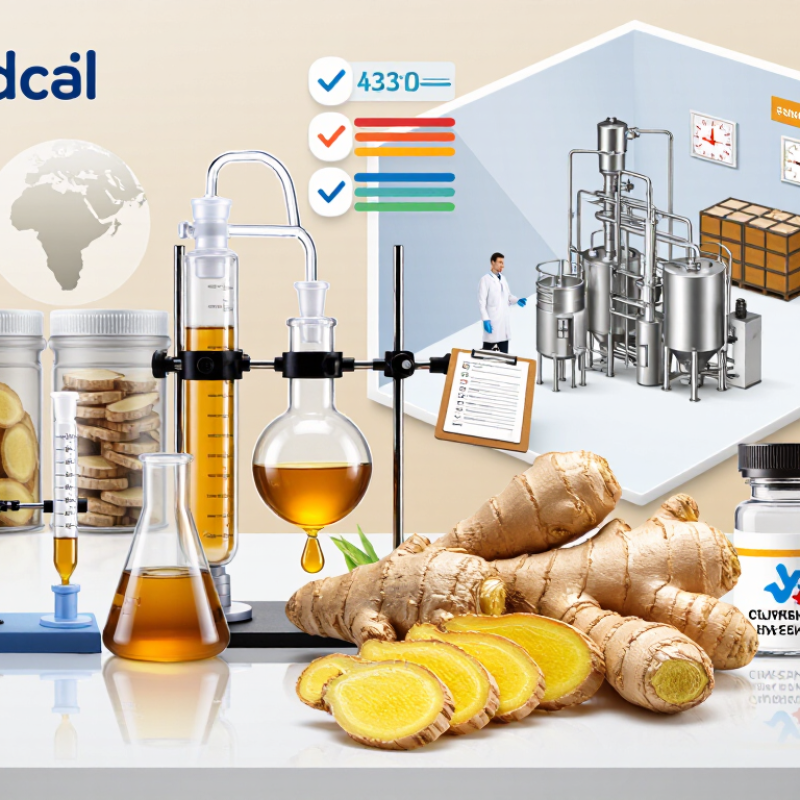
Manufacturers typically wash the rhizomes, remove damaged sections, and slice them into smaller pieces. The material may be dried before extraction, although some processes use fresh ginger. Water, food-grade ethanol, or carbon dioxide can draw out different compounds. The extract is then filtered and concentrated under controlled heat. Excessive heat may damage sensitive aromatic components. That risk matters. Some producers convert the concentrate into powder through spray drying or freeze-drying. Carriers may be added to improve flow and stability.

Reliable suppliers should provide botanical identity, extraction details, batch information, and laboratory test results. Testing can check moisture, microbial quality, heavy metals, pesticides, and active-compound levels. Standardization is useful, but it does not make every extract identical. A ginger extract measured mainly for gingerols may behave differently from one rich in volatile oils. Buyers sometimes compare only the percentage on a specification sheet. That assumption can fail. Sensory checks, traceability records, and storage conditions also deserve attention, especially because light, oxygen, and humidity can gradually change the powder.

Key Types and Active Compounds in Ginger Root Extract

Top Ginger Root Extract Manufacturers and Suppliers

Key Types and Active Compounds in Ginger Root Extract

Ginger root extract appears in several forms, including powder, liquid extract, oleoresin, and standardized concentrate. Each type suits different applications. Powder is practical for capsules and food blends. Liquid extracts disperse more easily in beverages. Oleoresin contains concentrated pungent compounds and aromatic oils.

The main active compounds include gingerols, shogaols, zingerone, and paradols. Fresh ginger usually contains more 6-gingerol, which creates its warm, sharp flavor. Drying or heating can convert gingerols into shogaols. Shogaols often taste stronger and more peppery. Zingerone contributes a softer, sweet aroma after processing. Small differences matter.

Reliable manufacturers should explain their extraction method and testing process. Water and ethanol extraction can produce different compound profiles. Supercritical carbon dioxide extraction may preserve selected volatile oils, but it requires careful control. A serious supplier should provide batch records, identity testing, and contaminant screening. High-performance liquid chromatography can help verify gingerol and shogaol levels.

Quality is not defined by a high percentage alone. Excessive heat may alter the extract’s natural balance. Storage also matters, since moisture, oxygen, and light can reduce stability. I would compare the botanical source, harvest date, extraction solvent, and certificate of analysis before choosing a supplier. Yet, labels do not always reveal the whole story. Independent verification remains valuable, especially when consistency matters across production batches.

How Ginger Root Extract Manufacturers Ensure Product Quality

Top Ginger Root Extract Manufacturers and Suppliers

How Ginger Root Extract Manufacturers Ensure Product Quality

Reliable ginger root extract manufacturers control quality from farm to finished powder. They verify botanical identity through macroscopic checks, microscopy, and validated laboratory methods. Each lot should carry a traceable code linked to its origin, harvest conditions, and processing records.

Testing must match the extract’s intended use. Laboratories commonly measure gingerols, moisture, microbial limits, heavy metals, pesticide residues, and unwanted solvents. High-performance liquid chromatography can confirm key marker compounds. A certificate of analysis should show methods, results, specifications, and approval details. Independent testing adds useful distance, especially when results seem unusually perfect.

Processing conditions also affect quality. Controlled drying helps protect aroma and active compounds. Hygienic extraction areas reduce contamination risks. Manufacturers should monitor temperature, pressure, concentration, and filtration at documented checkpoints. Proper packaging, often sealed against moisture and light, supports stability during transport and storage.

Good suppliers can explain their quality system without vague promises. They should provide representative samples, current technical documents, and clear shelf-life data. Audits, staff training, equipment calibration, and corrective-action records reveal how seriously a facility works. No system is flawless. Testing may miss a problem if sampling is weak. For that reason, ongoing verification matters more than one impressive report.

Top Ginger Root Extract Manufacturers and Global Suppliers

Choosing top ginger root extract manufacturers requires more than comparing prices. Experienced buyers inspect botanical identity, extraction method, and batch consistency. A reliable supplier should provide a current certificate of analysis, allergen details, residual solvent results, and microbiological testing. Ask whether gingerols and shogaols are standardized, since heat and storage can change their levels. Traceable farms and documented processing sites add practical confidence. Samples matter. A fine powder can still perform poorly in a finished product.

Tips: Request two or three recent batches, not one perfect sample. Check the Latin plant name, origin, particle size, and packaging barrier. Confirm minimum order quantities and lead times before approval. For global suppliers, review export documents, customs support, and temperature guidance. Some suppliers promise worldwide delivery but lack local warehousing. That gap can disrupt production.

Top global suppliers should communicate clearly when specifications change. Look for audited quality systems, trained technical staff, and responsive complaint handling. Manufacturers with in-house extraction may offer better process control, while specialized distributors can simplify regional delivery. Neither option is automatically superior. Compare evidence, not polished presentations. I would also test the extract in the intended formula, because water solubility and flavor can shift unexpectedly. Supplier selection is still partly judgment. Even careful screening can miss a weak batch.

How to Evaluate and Choose a Reliable Ginger Extract Supplier

How to Evaluate and Choose a Reliable Ginger Extract Supplier

Reliable sourcing begins with evidence, not attractive product photos. Grand View Research estimated the global ginger market at over USD 5 billion in 2023, showing strong demand and intense supplier competition. Ask for the botanical name, plant part, extraction solvent, and harvest location. Vague answers deserve caution.

Request a recent certificate of analysis for every batch. It should show gingerol levels, moisture, microbial limits, heavy metals, pesticides, and residual solvents. USP quality guidance and ISO 22000 principles support documented testing and traceability. Independent laboratory results are more useful than a supplier’s internal spreadsheet. Check the laboratory’s accreditation, testing method, and report date.

Small details matter. A sealed sample should have a lot number matching its paperwork. The powder should not smell burnt, damp, or strangely sweet. Compare three batches, because one excellent sample proves little. The 2024 FAO and FAOSTAT production data shows ginger supply is concentrated in major producing regions, making crop variability a practical risk. Ask how the supplier handles poor harvests and storage delays. I would also test solubility and color after shipping. These checks are simple, but buyers often skip them. No supplier is perfect; unclear specifications, delayed replies, or inconsistent test results should remain visible in your evaluation record.

How to Evaluate and Choose a Reliable Ginger Extract Supplier

A practical procurement scorecard should give the greatest weight to product quality, consistency, traceability, and independent testing. The suggested weighting below can be used to compare suppliers without relying on brand names.

Quality and consistency are prioritized because ginger extracts can vary by raw-material origin, extraction method, moisture, and active-compound concentration. Traceability, laboratory testing, regulatory documentation, production capacity, and commercial terms complete the evaluation.

FAQS

What forms of ginger root extract are commonly available?

Common forms include powder, liquid extract, oleoresin, and standardized concentrate. Powder suits capsules and food blends. Liquid extract disperses better in beverages. Oleoresin contains concentrated pungent compounds and aromatic oils.

Which active compounds are found in ginger root extract?

The main compounds include gingerols, shogaols, zingerone, and paradols. Fresh ginger often contains more 6-gingerol. It creates a warm, sharp flavor. Drying or heating may convert gingerols into stronger-tasting shogaols.

How does processing change ginger extract?

Heating and drying can increase shogaol levels. These compounds may taste hotter and more peppery. Zingerone can add a softer, sweeter aroma. Small processing differences can change the final profile.

What extraction methods should a supplier explain?

A supplier should identify the extraction solvent and process. Water and ethanol can produce different compound profiles. Supercritical carbon dioxide may preserve selected volatile oils. Careful control is still necessary.

What documents should buyers request?

Request a recent certificate of analysis for every batch. It should show gingerol levels, moisture, microbes, heavy metals, pesticides, and residual solvents. Batch records and identity testing also matter. Paperwork should match the physical sample.

How can buyers check a ginger extract sample?

Check the lot number on the sealed sample. Inspect its smell, color, and texture. It should not smell burnt, damp, or strangely sweet. Test solubility after shipping. Simple checks are often skipped.

Why should buyers compare several production batches?

One excellent sample proves very little. Compare at least three batches when consistency matters. Review compound levels, color, moisture, and test results. The differences may be inconvenient, but they reveal real variation.

How do storage conditions affect ginger extract quality?

Moisture, oxygen, light, and heat can reduce stability. Store the extract in a well-sealed container. Excessive heat may disturb its natural compound balance. A high percentage alone does not guarantee better quality.

What warning signs suggest a supplier needs closer review?

Vague answers about the plant source or harvest location deserve caution. Delayed replies and inconsistent laboratory results also matter. Unclear specifications should remain in the evaluation record. I would not ignore them.

Conclusion

Ginger Root Extract is a concentrated botanical ingredient made from carefully selected ginger rhizomes. The production process generally includes cleaning, drying, grinding, extraction, filtration, and concentration, followed by standardized drying or blending. Depending on the extraction method, the final product may be available as a powder, liquid, or oil-soluble form. Important active compounds include gingerols, shogaols, zingerone, and related natural constituents, which influence the extract’s flavor, aroma, and functional properties.

Reliable Ginger Root Extract manufacturers and global suppliers follow strict procedures for raw material identification, hygienic processing, contaminant control, potency testing, and batch-to-batch consistency. When evaluating a supplier, buyers should review product specifications, testing documentation, traceability systems, production capacity, packaging options, and communication practices. A dependable partner should provide clear information about sourcing, extraction methods, storage conditions, shelf life, and quality standards, helping customers select an extract that suits their formulation and application requirements.

Charlotte

Charlotte

Charlotte is a seasoned marketing professional with a deep understanding of the company's portfolio and a passion for elevating its presence in the market. With a keen eye for detail and a commitment to excellence, she ensures that our professional blog is regularly updated with insightful articles......