10 Tips for Buying Cranberry Extract in Bulk

Time:2026-09-06 Author:Aria
0%

Buying Cranberry Extract in bulk requires more than comparing the price per kilogram. Quality can shift with the fruit variety, extraction solvent, proanthocyanidin (PAC) content, and storage conditions. A low-cost drum may contain inconsistent potency, excessive carriers, or unclear botanical identity. This is where judgment matters.

Industry reports from Grand View Research and Fortune Business Insights describe continued growth in the cranberry ingredients and dietary supplement markets. Their findings point to rising demand for standardized botanical extracts, cleaner labels, and traceable supply chains. However, market growth does not prove product effectiveness. The 2023 Cochrane Review found that cranberry products may reduce recurrent, culture-verified urinary tract infections in some groups, especially women with recurrent infections. Results still vary by product and population. Read the evidence carefully.

This guide presents ten practical tips for evaluating Cranberry Extract suppliers, specifications, and documentation. Check the Latin name, plant part, extraction method, PAC assay, moisture level, microbiological limits, and heavy-metal results. Ask for a recent certificate of analysis, not a generic template. Confirm whether testing was performed by an independent laboratory. FDA dietary supplement cGMP requirements, including 21 CFR Part 111, also emphasize identity, purity, strength, and composition controls. Regional requirements may differ.

Small details matter.

For example, inspect whether the powder flows evenly from a sealed, food-grade liner. Review batch numbers, harvest information, allergen statements, and recommended shelf life. I would not rely on a polished brochure alone. Supplier audits, sample testing, and clear contract terms can expose weaknesses before a full shipment arrives. Bulk purchasing rewards preparation, but it also punishes assumptions.
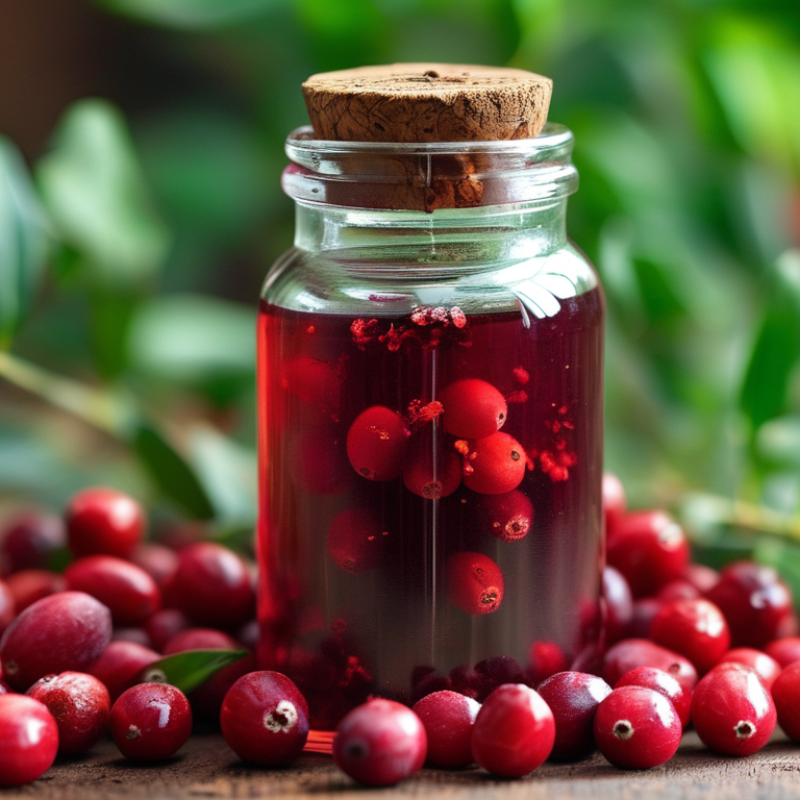
10 Tips for Buying Cranberry Extract in Bulk

Define Bulk Cranberry Extract Requirements and Intended Uses

10 Tips for Buying Cranberry Extract in Bulk

Define Bulk Cranberry Extract Requirements and Intended Uses

Begin with the finished product, not the lowest quoted price. Decide whether the extract will serve capsules, drink mixes, gummies, or functional foods. Each format requires different solubility, flavor control, moisture limits, and packaging. Powder for capsules may tolerate finer particles, while beverages need rapid dispersion. Small details matter.

The 2023 USDA National Agricultural Statistics Service report recorded about 7.6 million cranberry barrels in the United States. Large supply does not guarantee consistent extract quality.

Request the botanical name, plant part, extraction solvent, extract ratio, and proanthocyanidin assay method. “Standardized extract” remains too vague without a numerical marker and test procedure. Ask for identity, heavy-metal, microbial, pesticide, and residual-solvent reports from an independent laboratory. Keep samples from each lot.

Intended use should also guide the active level. A 2023 Cochrane review assessed 50 studies involving 8,857 participants and found cranberry products may help reduce recurrent urinary tract infections in some groups. The evidence does not justify promising treatment claims. That distinction affects labeling, dosage design, and compliance review.

I would compare at least three lots before approving a contract. One attractive sample can hide seasonal variation. It happened to me with botanical powders.

Shelf-life data may also look convincing until humidity enters the warehouse. Define storage temperature, container type, minimum remaining shelf life, and acceptable assay loss before negotiating bulk quantities.

Verify Extract Type, Active Compounds, and Product Specifications

Bulk cranberry extract buying starts with identity, not price. Ask whether the material is whole-fruit extract, juice concentrate, or a purified proanthocyanidin fraction. These are not interchangeable. A 2023 Cochrane review found that cranberry products may help reduce recurrent urinary tract infections, but formulations and doses varied widely. That uncertainty matters.

Tip 1: Confirm active compounds. Request total proanthocyanidins and, when available, A-type proanthocyanidins. Ask for the test method, because DMAC results can differ from other analytical methods. A certificate showing “cranberry extract 10:1” is incomplete without botanical identity, PAC content, and assay units.

Tip 2: Inspect the product specification. It should state Latin name, plant part, extraction solvent, carrier ingredients, moisture, microbial limits, heavy-metal limits, and shelf life. USP quality guidance emphasizes identity, strength, purity, and composition testing for dietary supplements. Tip 3: Check every batch. Require a current certificate of analysis and independent laboratory results. Traceability should reach the harvest or raw-material lot.

One practical detail is easy to miss: PAC percentages may be reported as cranberry equivalents, not pure PACs. Compare like with like. I have seen suppliers present impressive numbers that become ordinary after unit conversion. That deserves a second review, not immediate rejection. Grand View Research’s 2024 cranberry extract market analysis also highlights standardization and supply-chain transparency as important purchasing factors. Reliable documentation is slower, but bulk mistakes are expensive.

Evaluate Supplier Quality, Testing Standards, and Regulatory Compliance

When buying cranberry extract in bulk, supplier quality deserves more than a polished catalog. Request the supplier’s manufacturing address, quality system records, and recent certificates of analysis. Confirm the extract’s cranberry species, plant part, extraction method, and active marker levels. Small wording differences can affect the finished product.

Testing standards should match the intended use. Ask for results covering identity, potency, moisture, microbial limits, heavy metals, pesticides, and residual solvents. Independent laboratory testing adds useful distance from the supplier’s internal claims. Check sample dates, test methods, detection limits, and batch numbers. A certificate without traceable details is weak evidence. Keep retained samples from each shipment when practical.

Regulatory compliance requires careful documentation. Review applicable food or supplement rules in every target market, rather than assuming one approval covers all regions. Request allergen statements, contaminant controls, labeling support, and change-notification procedures. The supplier should explain what happens after a failed test. A recall plan matters.

Do not rely on price alone.

During supplier evaluations, I have found that responsive communication often reveals process maturity. Still, a friendly sales contact cannot replace technical records. I would compare at least two production batches before signing a large contract. This step costs time, and sometimes exposes inconsistent potency. That inconvenience is preferable to discovering quality problems after packaging, shipment, or customer complaints.

10 Tips for Buying Cranberry Extract in Bulk - Evaluate Supplier Quality, Testing Standards, and Regulatory Compliance
Tip Evaluation Dimension What to Check Practical Benchmark or Requirement Required Evidence Main Purchasing Risk
1 Botanical identity Confirm the botanical name, plant part, extraction material, country of origin, and whether the product is a fruit extract, juice concentrate, or blended botanical. The specification should identify the cranberry source as Vaccinium macrocarpon or another clearly declared species. Product specification, botanical identification report, raw-material traceability records, and representative sample. Misidentified or diluted material may deliver inconsistent composition and may not match the intended label claim.
2 Active-marker standardization Determine how the extract is standardized, including proanthocyanidins (PACs), total polyphenols, or another defined marker. Check the analytical method and whether results are reported on a dry basis. Require a defined minimum or target value, with the basis and method stated. PAC values should not be compared unless the testing method is the same. Finished-product specification, method validation or verification summary, certificate of analysis (COA), and an explanation of the calculation basis. Different PAC methods can produce non-equivalent results, making apparently similar products difficult to compare.
3 Microbiological quality Review testing for total aerobic microbial count, yeast and mold, bile-tolerant Gram-negative bacteria where applicable, Escherichia coli, and Salmonella. Limits should be defined in the purchase specification and aligned with the intended dosage form, destination market, and applicable pharmacopoeial or food-safety requirements. Lot-specific microbiological COA, sampling plan, test methods, laboratory accreditation details, and out-of-specification procedure. Contaminated powder can cause recalls, rejected shipments, or safety problems after blending.
4 Contaminant and adulterant control Assess heavy metals, pesticide residues, residual solvents, mycotoxins where relevant, and undeclared pharmaceutical or synthetic adulterants. Results should comply with the legal limits of the importing and selling markets. Limits must be stated by analyte rather than described only as “passes.” Recent lot-specific reports from qualified laboratories, test methods, detection limits, and a documented contaminant risk assessment. Non-compliant contaminants can trigger customs detention, product withdrawal, or regulatory enforcement.
5 Supplier manufacturing controls Verify sanitation, allergen management, pest control, environmental monitoring, change control, deviation handling, and batch traceability. For U.S. dietary-supplement supply, the manufacturer should operate under applicable current good manufacturing practice requirements in 21 CFR Part 111. Current third-party audit report, certification scope, corrective-action records, quality manual summary, and manufacturing-site questionnaire. Weak process controls increase the likelihood of cross-contamination, mix-ups, and batch-to-batch variation.
6 Laboratory competence Establish whether testing is performed in-house or by an independent laboratory, and assess method suitability, calibration, analyst training, and data integrity. Prefer laboratories accredited to ISO/IEC 17025 for the relevant tests, while confirming that accreditation covers the actual method and matrix. Laboratory accreditation certificate and scope, raw-data availability, chromatograms or worksheets when appropriate, and method performance information. A visually complete COA may still be unreliable if the method is unsuitable or the laboratory lacks adequate controls.
7 COA and batch consistency Compare several recent lots for identity, appearance, moisture, marker content, microbiology, contaminants, and yield-related parameters. Set acceptance ranges before purchasing and require the delivered lot number, production date, test date, and release authorization on each COA. At least three recent representative COAs, retain-sample policy, batch records or summaries, and a written procedure for handling nonconforming lots. A single favorable sample may not represent normal production performance.
8 Regulatory and labeling support Confirm permitted claims, ingredient nomenclature, country-specific documentation, safety information, and whether the extract is intended for food, dietary supplements, or another category. Regulatory status must be evaluated for the destination market; U.S. dietary-supplement requirements include applicable 21 CFR Part 111 controls and truthful, non-misleading labeling. Regulatory questionnaire, product data sheet, allergen and GMO statements where relevant, safety assessment, label-support documents, and market-specific compliance declarations. A legally saleable ingredient in one jurisdiction may require different documentation or claims controls elsewhere.
9 Packaging and storage stability Review packaging materials, moisture and oxygen protection, storage temperature, humidity exposure, shelf life, re-test period, and transport conditions. The supplier should provide defined storage conditions and stability support for the proposed shelf life; packaging should be suitable for a hygroscopic botanical powder when applicable. Stability data, packaging specification, transport qualification or shipping guidance, tamper-evidence details, and warehouse-condition requirements. Moisture, heat, light, or oxygen can reduce flowability, alter color, and decrease marker stability.
10 Commercial and quality agreement terms Define minimum order quantity, lead time, sample approval, release criteria, change notification, recall cooperation, audit rights, and responsibility for rejected material. Quality requirements should be written into the purchase or quality agreement before the first bulk order, including advance notice for changes to source, process, site, or specification. Signed specification, quality agreement, approved sample record, change-control clause, recall procedure, insurance information, and agreed dispute process. Ambiguous terms can make it difficult to reject off-specification material or recover costs after a quality failure.
Note: Acceptance limits should be established by the buyer’s qualified quality and regulatory personnel for the intended product, dosage form, and destination market. Testing methods and legal requirements may differ by jurisdiction and should be verified before purchase.

Compare Pricing, Minimum Orders, Packaging, and Storage Conditions

10 Tips for Buying Cranberry Extract in Bulk

Tip 1 Compare the delivered price, not only the quoted price.

Freight, testing, customs handling, and payment fees can change the final cost. Request pricing for several quantities, such as 25, 100, and 500 kilograms. A lower unit price may hide a large minimum order. Small buyers should check whether unused stock could expire before use.

One practical lesson is simple: cheap is not always economical.

Tip 2 Confirm the minimum order quantity, lead time, and production schedule in writing.

Ask whether the supplier permits mixed batches or staged deliveries. This can protect cash flow and reduce storage pressure. Check the extract’s concentration, extraction solvent, moisture level, and microbial results.

A current certificate of analysis is essential. Do not rely on a generic document from an old batch.

Tip 3 Examine packaging before approving the purchase.

Food-grade liners, sealed drums, and clear batch labels help prevent moisture and identification problems. Ask how damaged containers are handled during transit. Storage conditions matter just as much.

Keep the material sealed, dry, cool, and away from direct light. Follow the supplier’s stated temperature range. Real warehouses are rarely perfect, so record temperature and humidity when possible.

I would also review the remaining shelf life at delivery, because a long lead time can quietly reduce usable inventory.

Review Samples, Contracts, Shipping Terms, and Reorder Policies

Buying cranberry extract in bulk requires more than comparing price per kilogram. Request a production sample from the actual lot, not a polished laboratory sample. Check color, odor, solubility, moisture, and active-compound assay. Ask for a certificate of analysis and independent tests for pesticides, heavy metals, microbes, and identity. Keep a sealed reference sample. It can settle disputes later. I once approved a darker powder because the assay looked acceptable. The finished blend changed color. That mistake taught me to test application performance, not only numbers.

Put every agreed detail into the contract. Specify extract strength, acceptable assay variation, testing methods, packaging, shelf life, and lot traceability. Include procedures for rejected goods, replacement timelines, and refunds. Avoid vague terms such as “premium quality.” They create arguments.

Shipping terms need equal attention. Clarify responsibility for freight, insurance, customs documents, temperature exposure, and damage during transit. Record the delivery point precisely. A low unit price can disappear through storage fees, port delays, or unsuitable packaging.

Review the reorder policy before placing the first large order. Confirm minimum quantities, lead times, reserved inventory, price-adjustment rules, and notice periods. Ask whether the supplier can match the approved sample across future lots. Keep a small safety stock when demand is uncertain. Forecasts are often wrong. My own first estimate was too optimistic, and the next shipment arrived late. A written escalation contact would have helped. Check these details before production schedules depend on them.

FAQS

: What type of cranberry extract should I buy?

: Confirm whether it is whole-fruit extract, juice concentrate, or purified proanthocyanidin fraction. These materials are not interchangeable. Ask for the botanical name and plant part. Price cannot replace identity.

Which active compounds should be tested?

Request total proanthocyanidins and, when available, A-type proanthocyanidins. Check the analytical method and assay units. Different methods may produce different results. Compare like with like.

What should a product specification include?

It should list the Latin name, plant part, extraction solvent, and carrier ingredients. Check moisture, microbial limits, heavy metals, and shelf life. The document should also state composition and potency. Vague specifications deserve another review.

How can I verify each production batch?

Request a current certificate of analysis for every shipment. It should include the batch number, test date, method, and detection limits. Independent laboratory results provide useful distance from supplier claims. Retain a sample when practical.

What regulatory documents should a supplier provide?

Review food and supplement requirements for every target market. Request allergen statements, contaminant controls, labeling support, and change-notification procedures. Ask about failed-test handling and recall plans. One approval may not cover every region.

How should I compare bulk prices?

Compare the delivered cost, including freight, testing, customs handling, and payment fees. Request prices for several quantities, such as 25, 100, and 500 kilograms. A low unit price may hide a large minimum order. Cheap is not always economical.

What purchase terms need written confirmation?

Confirm the minimum order, lead time, production schedule, and remaining shelf life. Ask about mixed batches and staged deliveries. These options can reduce storage pressure. Written details prevent uncomfortable surprises.

How should cranberry extract be packaged and stored?

Use sealed drums with food-grade liners and clear batch labels. Keep the material dry, cool, sealed, and away from direct light. Record warehouse temperature and humidity when possible. Real warehouses are rarely perfect.

What supplier qualities matter beyond technical documents?

Check the manufacturing address, quality records, and communication speed. Compare at least two production batches before signing a large contract. Friendly communication helps, but it cannot replace evidence. This step may reveal inconsistent potency.

Conclusion

Buying Cranberry Extract in bulk requires careful planning before comparing suppliers. Start by defining the intended use, required format, concentration, dosage, annual volume, and target specifications. Confirm whether the product is a juice powder, fruit powder, or standardized extract, and review its active compounds, such as proanthocyanidins, along with purity, moisture, solubility, and shelf-life requirements. Clear specifications help ensure that the material is suitable for formulation, manufacturing, or other approved applications.

Supplier evaluation should include documentation on quality systems, batch testing, identity, contaminants, microbiological safety, and regulatory compliance in the destination market. Compare total pricing rather than unit cost alone, taking minimum order quantities, packaging, storage conditions, and temperature or humidity controls into account. Before committing, request representative samples and assess consistency against the agreed specifications. Contracts should clearly define quality acceptance, delivery schedules, shipping responsibilities, claims procedures, and payment terms. Finally, review reorder policies, lead times, inventory support, and communication standards to determine whether the supplier can provide a stable, reliable Cranberry Extract supply over time.


Aria

Aria

Aria is a dedicated marketing professional with a deep passion for innovative strategies and a keen understanding of our company's product offerings. With a wealth of experience in the industry, Aria excels at crafting engaging content that highlights the unique features and benefits of our......