Sourcing Tribulus Terrestris Extract in 2026 requires more than comparing prices on a supplier spreadsheet. Buyers must verify botanical identity, extraction conditions, marker compounds, contaminants, and documentation. The ingredient may arrive as a fine brown powder, but its appearance proves very little. A credible supplier should provide the Latin name, plant part, country of origin, extraction solvent, batch number, and current certificate of analysis.
Market demand is expanding within the broader botanical supplement sector. Grand View Research valued the global dietary supplements market at approximately USD 177.5 billion in 2023. Its report also identified continued interest in plant-based and condition-specific products. However, broad market growth does not confirm the quality of every Tribulus Terrestris Extract supplier. Data gaps remain. Some online listings provide impressive specifications but limited traceability.
Dr. Pieter Cohen, a Harvard Medical School associate professor and supplement-safety researcher, has repeatedly emphasized a practical warning: “Natural does not mean safe.” That principle should guide every purchasing decision. Request independent testing for heavy metals, pesticides, microbial contamination, and adulteration. Review stability data under realistic storage conditions, including heat and humidity. The World Health Organization’s Good Agricultural and Collection Practices guidance offers a useful framework for evaluating botanical raw materials. USP quality standards can strengthen the review, where applicable.
A reliable sourcing process is never perfectly simple. Supplier audits may reveal inconsistencies. Test results can require interpretation. Even standardized extracts need clear evidence behind their specifications. In 2026, responsible buyers should choose transparent partners, document every approval step, and accept that the cheapest quotation may create the highest downstream risk.
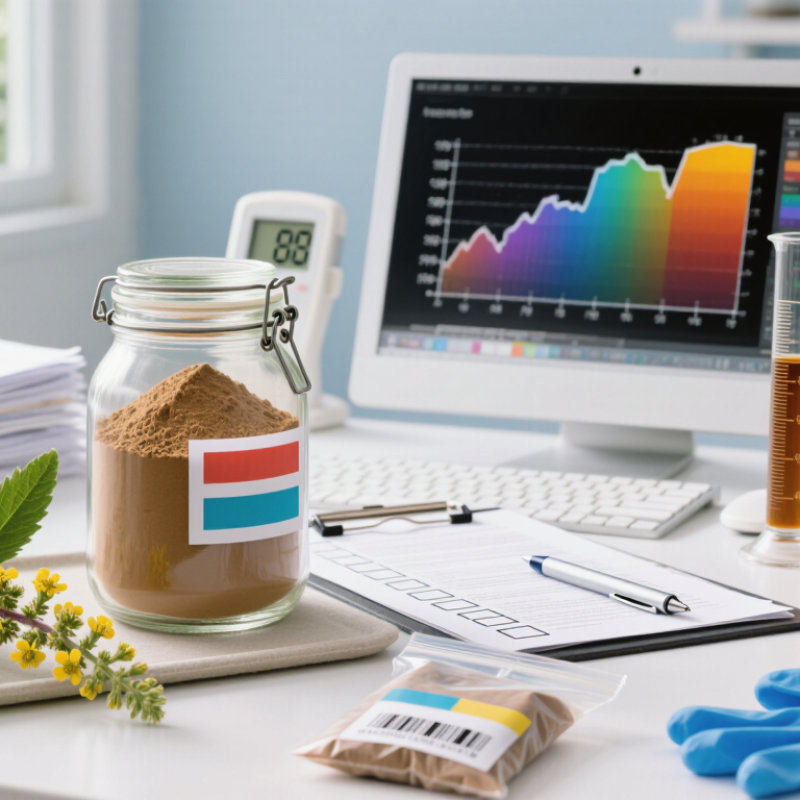
Tribulus terrestris extract is a concentrated botanical ingredient made from the aerial parts, fruit, or whole plant. It commonly contains steroidal saponins, although levels vary by plant material, harvest, and extraction method. That variation matters. A powder labeled only by plant name does not reveal its real potency or purity. In 2026, buyers source it for formulation research, sports nutrition, and traditional botanical products. Responsible sourcing should not imply guaranteed hormone, libido, or performance benefits.
Experienced purchasers start with a defined specification. It should state botanical identity, plant part, extraction ratio, solvent, carrier, and target saponin profile. Request a recent certificate of analysis, batch number, moisture result, microbial limits, heavy-metal data, and pesticide screening. DNA or microscopy testing can help confirm identity when supply chains are complex. Still, paperwork can look convincing. Independent laboratory verification remains useful for new suppliers or unusual results.
Traceability is becoming a practical sourcing advantage in 2026. Review harvest region, cultivation practices, storage temperature, packaging, and transport records. Samples should arrive sealed, coded, and protected from humidity. A stable supplier should explain deviations instead of hiding them. Higher saponin content may sound better, but it is not automatically better for every formula. Check destination-market requirements before importing or selling. Clear evidence, realistic claims, and repeatable batches matter more than dramatic specifications.
When sourcing Tribulus terrestris extract in 2026, define the specification before requesting prices. State the accepted botanical name, plant part, extraction method, and extract ratio. A root extract should not be compared directly with a fruit extract. That mistake can distort both cost and performance.
Set measurable quality requirements. Specify marker compounds, such as total saponins, and name the testing method. Do not accept “high potency” without a validated assay and an agreed acceptance range. Require identity testing, heavy metal limits, pesticide screening, residual solvent results, and microbiological limits. Ask for a batch-specific certificate of analysis, not a generic template. Keep samples from each approved lot for independent verification.
Traceability matters. Review cultivation records, harvest dates, processing conditions, and storage temperatures. Packaging should protect the powder from moisture, light, and repeated opening. A supplier audit can reveal practical issues that documents miss. However, one audit is not proof of permanent consistency. Suppliers change equipment, sources, and procedures. Recheck critical batches.
Be careful with biological claims. Tribulus extracts can vary widely, even when labels appear similar. I would begin with a pilot order and compare two or three lots. This approach costs more initially. It may prevent a costly reformulation later. Define what happens when results fall outside specification, including investigation, retesting, and rejection rules.
How to Source Tribulus Terrestris Extract in 2026?
Where to Find and Evaluate Reliable Tribulus Suppliers
Reliable sourcing begins with botanical identity, not attractive pricing. Ask suppliers for the plant’s scientific name, plant part, country of origin, and harvest details. A dependable supplier should provide a current certificate of analysis for every batch. Check marker compounds, moisture, microbial limits, heavy metals, pesticides, and residual solvents. The extraction ratio and solvent should be clearly stated. Vague specifications create unnecessary risk.
Tips: Request a small sample before placing a larger order. Compare the sample’s color, odor, powder texture, and test results. Verify that the laboratory is independent and properly accredited. Review batch numbers, production dates, packaging controls, and storage conditions. Ask how complaints and recalls are managed. Good documentation matters.
Supplier visits or remote quality audits can reveal more than polished sales materials. Look for controlled processing areas, calibrated equipment, trained staff, and traceable raw-material records. Confirm that the extract meets your destination market’s food and supplement requirements. Do not accept unsupported claims about hormones, performance, or disease treatment. Those claims may create regulatory problems and mislead customers. My own evaluation process is not perfect; appearance can seem reassuring while testing exposes contamination. Recheck critical documents, especially when prices change sharply or the supplier changes its factory. Consistent communication is also evidence of reliability, although it is not proof by itself.
How to Source Tribulus Terrestris Extract in 2026?
Reliable sourcing begins with identity, not price. Ask for the botanical name, plant part, extraction method, and harvest location. A qualified laboratory should confirm identity through microscopy, chromatography, or DNA testing when appropriate. Test results should also cover heavy metals, pesticides, microbes, residual solvents, and adulterants. Do not rely on a certificate of analysis alone. Verify the laboratory, test date, sample number, and matching production lot.
Compliance depends on the destination market. Check permitted ingredients, labeling rules, dosage requirements, and documentation before placing an order. Suppliers should provide current specifications, safety data, allergen statements, and change-control records. Manufacturing sites should follow recognized quality systems and support independent audits. Documentation can look polished while remaining incomplete. That risk deserves attention.
Tips: Request a sealed retention sample and compare it with the shipped material. Trace each lot from farm records to warehouse release. Review transport temperatures, storage conditions, and ownership changes. Ask who performed each test and whether methods matched the specification. A transparent supplier will explain weak points, not hide them. No checklist is perfect. Reassess suppliers annually, especially after formulation, facility, or regulatory changes. Supplier reliability is built through repeated evidence, not promises.
Verification should cover identity, active-marker testing, contaminants, manufacturing controls, and supply-chain traceability. The chart shows five evidence domains that should be documented before approving a supplier; it is a procurement framework rather than a ranking of companies or brands.
Use current laboratory reports, batch-specific certificates of analysis, supplier qualification records, and applicable regulatory documentation. Acceptance criteria should be agreed with the importing-market requirements and the product specification.
Reference framework: U.S. FDA 21 CFR Part 111 dietary supplement cGMP requirements; ISO/IEC 17025 competence requirements for testing laboratories; WHO guidelines on good agricultural and collection practices for medicinal plants.
When sourcing Tribulus terrestris extract in 2026, compare equivalent specifications, not attractive prices. HerbalGram’s 2024 market report recorded U.S. herbal supplement sales of about $12.6 billion in 2023. That growth increases demand, but it also widens quality differences. Ask each supplier for botanical identity, plant part, extract ratio, marker compounds, solvent, mesh size, MOQ, lead time, and Incoterm. A quote without these details is incomplete.
Request a recent batch COA, not a template. Check HPLC or validated marker testing, microbial limits, heavy metals, pesticides, residual solvents, and adulteration screening. ISO 22000 certification supports food-safety controls, but it does not prove Tribulus potency. USP guidance also emphasizes identity, strength, quality, and purity testing for botanical ingredients. Compare the landed cost per kilogram, including testing, packaging, freight, duties, and payment fees. Small samples help, though samples can hide production variability.
Negotiate practical terms. Seek a retained reference sample, written change-notification rules, and a replacement or refund clause for failed batches. Confirm whether the quoted price applies to one shipment or a yearly volume. A 30-day lead time may become 60 days during harvest pressure. Place the order only after approving the specification, COA, sample, packaging artwork, delivery schedule, and quality agreement. Keep every promise in the purchase order. I would still avoid paying the full amount upfront; early savings can become expensive rework.
It is a concentrated botanical ingredient from the aerial parts, fruit, or whole plant. It commonly contains steroidal saponins. Levels vary by harvest, plant material, and extraction method. Plant names alone reveal little about potency or purity.
Buyers use it for formulation research, sports nutrition, and traditional botanical products. Sourcing should not promise hormone, libido, or performance results. Evidence and realistic claims matter more than exciting language.
Request the botanical identity, plant part, extraction ratio, solvent, carrier, and target saponin profile. Include moisture limits and microbial requirements. A clear specification prevents confusing comparisons between powders.
Request identity testing through microscopy, chromatography, or DNA analysis when appropriate. Test for heavy metals, pesticides, microbes, residual solvents, and adulterants. Results should match the production lot and sample number. More testing is not automatically better.
No. Verify the laboratory, test date, method, sample number, and batch code. Compare the certificate with an independent laboratory result for new suppliers. Paperwork can look complete. It may still miss important weaknesses.
Review harvest location, cultivation records, storage temperature, packaging, and transport history. Trace each lot from farm records to warehouse release. Samples should arrive sealed, coded, and protected from humidity. Ownership changes deserve attention.
Not necessarily. A higher level may not suit every formulation or destination market. Match the profile with the intended specification and testing plan. Bigger numbers can distract from purity, stability, or consistency.
Ask for current specifications, safety data, allergen statements, change-control records, and market-specific documentation. Check ingredient permissions, labeling rules, and dosage requirements before ordering. Requirements differ by destination. Recheck them after regulatory changes.
Request a sealed retention sample and compare it with shipped material. Review storage conditions and transport temperatures. Ask suppliers to explain deviations openly. Reassess them annually. No checklist catches everything. Repeated evidence is stronger than promises.
Sourcing Tribulus Terrestris Extract in 2026 requires a structured approach focused on quality, consistency, and supply reliability. Buyers should first define the intended application and establish clear specifications, including extract ratio, active compound content, identity, purity, moisture, microbiological limits, heavy metals, and acceptable testing methods. These requirements help ensure that every supplier is evaluated against the same standard and that the final material is suitable for its intended use.
Reliable sourcing also depends on careful supplier assessment. Review manufacturing capabilities, documentation, quality systems, traceability, certificates of analysis, independent laboratory results, and regulatory compliance records. Compare quotations based on more than price by considering minimum order quantities, lead times, packaging, payment terms, sample approval, and production capacity. Before placing an order, confirm all specifications in writing, agree on inspection and quality procedures, and establish clear communication for shipment planning and future supply continuity.

Andy Biotech