Sourcing Tomato Peel Extract for global buyers begins with understanding the raw material, not merely comparing supplier prices. FAOSTAT recorded approximately 192 million tonnes of tomatoes produced worldwide in 2023. The World Processing Tomato Council also reported a global processing crop exceeding 40 million tonnes in recent seasons. This volume creates a substantial stream of tomato skins, seeds, and pulp. However, availability changes with harvest calendars, weather, processing contracts, and regional factory capacity.
Tomato Peel Extract may contain lycopene, polyphenols, flavonoids, and natural pigments. Its final profile depends on tomato variety, drying temperature, extraction solvent, and storage conditions. Dr. Edward Giovannucci, a Harvard tomato-nutrition researcher, wrote, “Tomato products are a major source of lycopene in the human diet.” That statement supports interest in tomato-derived ingredients, but it does not replace product testing or regulatory review. Buyers should request a current certificate of analysis, lycopene assay method, residual-solvent results, pesticide screening, heavy-metal data, microbiological limits, and batch traceability.
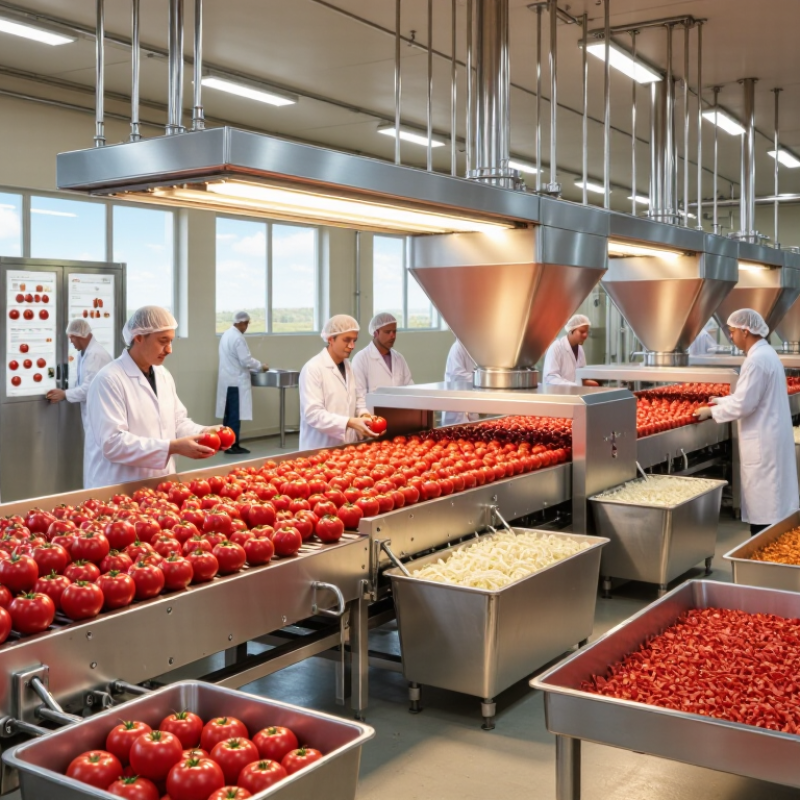
A practical sourcing review should also inspect the factory floor. Are peels collected in covered bins? Are they dried within hours? Can the supplier show harvest records and production photographs? Global buyers should compare extraction yields, carrier oils, packaging barriers, minimum order quantities, and shipment stability. Industry reports are useful, yet supplier claims can be incomplete. “Natural” does not automatically mean consistent. I would verify every specification against an independent laboratory result, especially when the extract will enter food, cosmetic, or nutraceutical formulations.
Tomato Peel Extract: Definition, Forms, and Functional Properties
How to Source Tomato Peel Extract for Global Buyers?
Tomato peel extract is a concentrated ingredient made from cleaned tomato skins. It contains natural pigments, carotenoids, and other plant compounds. Manufacturers usually separate, dry, and mill the peels before extraction. Common forms include fine powder, liquid extract, and oil-based oleoresin. Powder suits capsules, blends, and dry foods. Oleoresin works better in oil-based products. Liquid extract can simplify processing, but it may need careful storage.
Its functional properties depend on the extraction method and raw material quality. Lycopene may provide red color and antioxidant activity. Polyphenols can support the ingredient’s broader antioxidant profile. The final performance changes with heat, light, oxygen, and carrier oils. It is not automatically a strong colorant. Some batches show weaker shade or higher moisture. That variation deserves attention, even when the laboratory report looks acceptable.
Tips: Ask for the botanical source, extraction solvent, carrier details, and active-compound range. Request a current certificate of analysis, microbiological results, heavy-metal data, and stability information. Compare samples in your own formula, not only in a supplier’s bottle. Check particle size, odor, dispersibility, and packaging before placing a large order. A careful buyer also reviews import rules in the destination market. No specification is perfect. Real application testing often reveals small problems early.
Global Market Requirements for Tomato Peel Extract
How to Source Tomato Peel Extract for Global Buyers?
Global Market Requirements for Tomato Peel Extract
Global buyers usually expect tomato peel extract to have a clear botanical identity. The supplier should state the tomato species, extraction method, carrier materials, and active compounds. Lycopene content must match the agreed specification, not only the sales brochure. A recent certificate of analysis should show assay results, moisture, particle size, and batch number. Keep records consistent.
Safety documentation is equally important. Buyers commonly request pesticide residue, heavy metal, microbiological, and residual solvent tests. All results should follow recognized international testing methods. Allergen statements and non-GMO declarations may also be needed, depending on the destination market. The product should arrive in sealed, food-grade packaging with readable labels. Labels often include origin, production date, expiry date, storage conditions, and net weight.
Traceability can decide whether a shipment moves smoothly. Suppliers should connect each batch with raw tomato sources, processing records, and laboratory reports. Export documents must match the physical goods. Small differences can delay customs clearance. Specifications are not always perfect. Natural extracts may vary in color, odor, and active content between seasons. Buyers should define acceptable ranges before purchasing. I have found that transparent variation limits build more trust than unrealistic uniformity. Samples should be tested under the buyer’s intended application, because an extract for beverages may behave differently in capsules or sauces.
How to Identify Qualified Tomato Peel Extract Suppliers
Qualified tomato peel extract suppliers should prove more than attractive assay numbers.
FAOSTAT records global tomato production above 186 million tonnes in 2022, creating a large but highly variable raw-material pool. A serious supplier should identify the origin, cultivar, harvest season, and processing site for each lot. Ask for a current certificate of analysis, not a recycled PDF.
Check lycopene or polyphenol content using a named analytical method, preferably HPLC with laboratory accreditation. The COA should also cover moisture, microbiological limits, heavy metals, pesticide residues, and residual solvents. Codex contaminant standards and destination-country rules provide useful benchmarks, but they do not replace local compliance checks. Request three recent batch records. Compare the numbers.
Packaging reveals practical experience. Peel extract should arrive in sealed, light-protective containers with lot codes, storage temperature, and a defined shelf life. In humid warehouses, poor liners can cause clumping before the buyer notices. Request stability data under realistic conditions. A supplier’s answer matters more than a polished brochure.
USDA Foreign Agricultural Service reports regularly show differences between fresh-market and processing-tomato supply, which can affect color, solids, and extract consistency. Therefore, confirm whether the material comes from controlled processing streams or mixed seasonal sources. I would also conduct a small pilot test before signing a large contract. It costs less than correcting an unstable color or weak active level later. Some suppliers dislike this caution. That itself is useful information.
Quality, Safety, and Regulatory Checks for International Sourcing
How to Source Tomato Peel Extract for Global Buyers?
Quality, Safety, and Regulatory Checks for International Sourcing
A reliable sourcing process starts with the intended use. Food, cosmetic, and technical applications may require different specifications. Ask for the botanical name, extraction method, carrier materials, and concentration. A clean-looking powder proves little. Request a current certificate of analysis for each production batch. Key tests should cover identity, active compounds, moisture, microbial limits, pesticide residues, heavy metals, and residual solvents. Results should come from a competent, independent laboratory.
Traceability matters when sourcing across borders. The supplier should identify the tomato origin, processing site, lot number, and packaging date. Check whether peel material comes from controlled agricultural sources or mixed streams. Review storage conditions, because heat and humidity can damage color and antioxidant content. Small sample checks are useful. They are not enough alone. A retained sample and a documented complaint process can expose problems after shipment.
Regulatory review must match the destination market. Confirm permitted ingredients, maximum contaminant limits, labeling rules, allergen statements, and import documents with local specialists. Avoid unsupported health claims. Specifications should state test methods, acceptance limits, shelf life, and transport requirements. One weak point is often overlooked: different laboratories may use different analytical methods. Results can appear inconsistent without either party being wrong. A written method agreement reduces this risk, though it cannot remove every uncertainty. Supplier questionnaires are helpful, but an on-site or remote audit gives stronger evidence.
Ordering, Shipping, and Managing Global Supply Risks
Sourcing tomato peel extract globally begins with a precise purchase specification. Define the active compounds, extraction method, powder mesh, moisture level, and acceptable microbiological limits. Ask suppliers for a recent certificate of analysis, allergen statement, traceability records, and sample batch. A small sample can reveal color, odor, solubility, and sediment before a larger commitment. Do not rely on attractive pricing alone. That mistake is common.
Tips: Compare at least three qualified suppliers. Request production capacity by month, not only annual volume. Confirm whether the quoted price includes packaging, export documents, and transport to your destination. Use sealed, food-grade bags inside sturdy cartons or drums. Moisture is a quiet problem.
Shipping conditions need careful control. Tomato peel extract may absorb humidity during long transit, especially through warm ports or repeated warehouse transfers. Agree on pallet standards, storage temperature, batch labeling, and insurance responsibilities. Clarify Incoterms in writing, then have a customs professional verify import requirements in the destination market. Documentation errors can delay a shipment more than weather.
Global supply risks require practical backup plans. Keep a qualified second source, maintain safety stock, and monitor harvest conditions in producing regions. Before signing, discuss delayed production, port congestion, currency changes, and rejected batches. A supplier’s response matters as much as its price. Still, no plan removes every risk. Our own forecasts can be wrong, particularly when demand changes quickly. Review supplier performance after each shipment, including delivery accuracy, test results, packaging condition, and communication quality.
FAQS
Request the botanical name, extraction method, carrier materials, concentration, and intended application. Also ask for a current batch certificate of analysis. Do not judge quality by appearance alone.
Important tests include identity, active compounds, moisture, microbial limits, pesticide residues, heavy metals, and residual solvents. Results should come from a competent independent laboratory. Testing methods must be clearly stated.
Request the tomato origin, processing site, lot number, and packaging date. Confirm whether the peel comes from controlled farms or mixed material streams. Keep a retained sample for later comparison.
Check the powder’s color, odor, solubility, sediment, and visible texture. A small sample can reveal obvious issues before a larger order. Still, sampling alone is not enough.
Use sealed, food-grade inner bags inside strong cartons or drums. Agree on pallet standards, storage temperatures, and humidity controls. Warm ports and repeated warehouse transfers can increase moisture exposure. Moisture is quiet.
Confirm permitted ingredients, contaminant limits, labeling rules, allergen statements, and import documents. Local specialists should verify destination-market requirements. Avoid unsupported health claims. Documentation errors can delay shipments.
Laboratories may use different analytical methods, instruments, or sample preparation procedures. Written method agreements improve comparison between results. They cannot remove every uncertainty. That weakness is easy to miss.
Compare at least three qualified suppliers and confirm monthly production capacity. Maintain a qualified second source and suitable safety stock. Discuss delayed production, port congestion, currency changes, and rejected batches. Our forecasts can still fail. Review every shipment.
Conclusion
Tomato Peel Extract is a value-added ingredient obtained from tomato skins and is available in forms such as powder, liquid concentrate, or standardized extract. Its functional properties may include antioxidant activity, natural coloring potential, and compatibility with food, beverage, cosmetic, and nutritional applications. For global buyers, understanding the intended use, required specifications, extract ratio, active compounds, solubility, and packaging format is essential before beginning procurement.
A reliable sourcing process starts with evaluating suppliers’ production capabilities, raw material controls, testing systems, certifications, and export experience. Buyers should request technical data sheets, certificates of analysis, allergen statements, microbiological results, heavy-metal testing, and information on shelf life and storage conditions. Clear communication about minimum order quantities, lead times, shipping documents, customs requirements, and payment terms can reduce delays. It is also important to assess supply continuity, seasonal risks, packaging protection, and contingency plans so that international orders remain consistent in quality, safety, and delivery performance.

 Andy Biotech